What Is a Solar Power Plant ?
Solar Panels, Emerging Technologies, Benefits, and the Future of Solar Energy
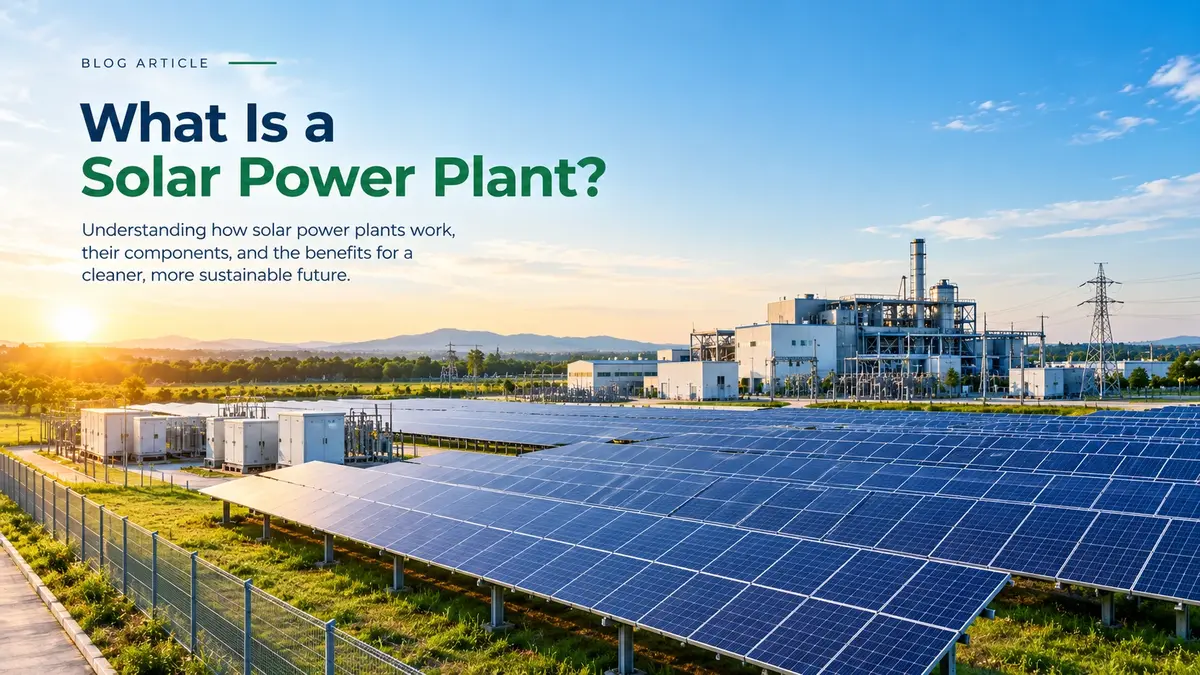
Solar energy is rapidly becoming one of the most important sources of clean and sustainable electricity in the world.
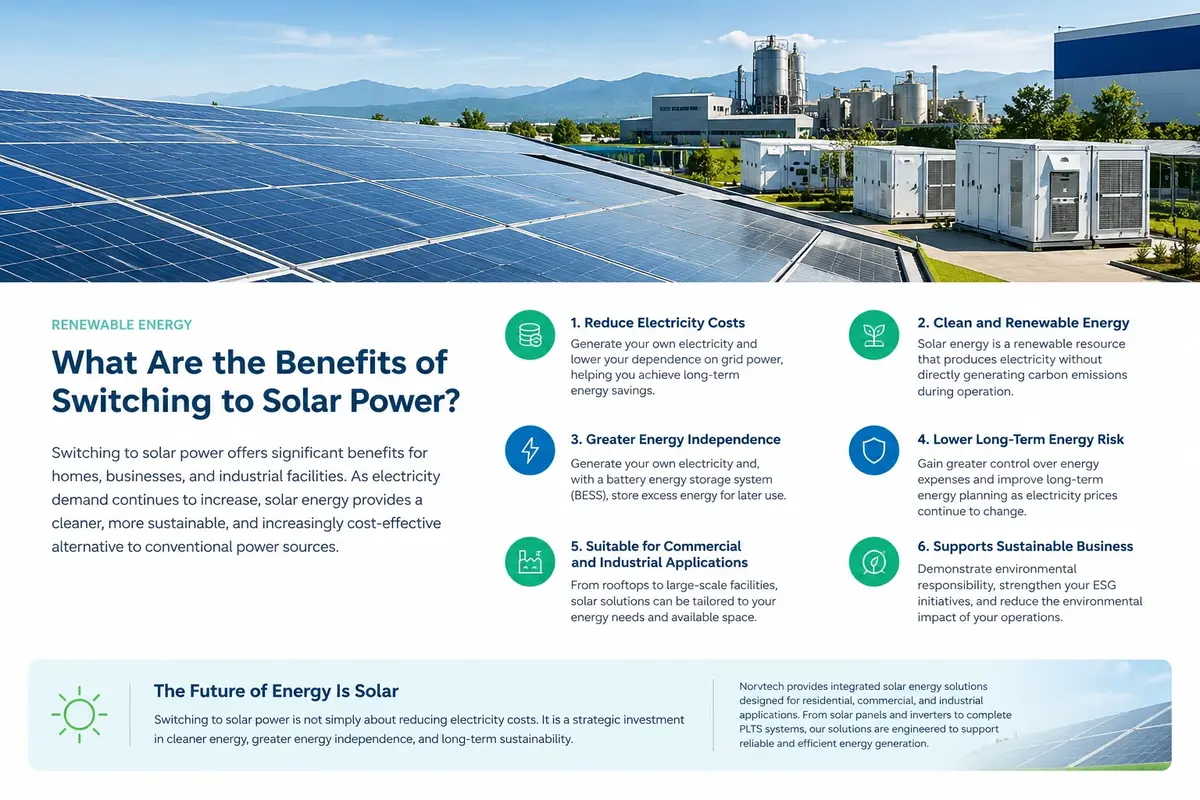
As global electricity demand continues to increase, businesses and industries are looking for reliable, efficient, and sustainable energy solutions. At the same time, the transition away from fossil fuels is accelerating the development of renewable energy technologies.
One of the most promising solutions is the Solar Power Plant, commonly known in Indonesia as PLTS (Pembangkit Listrik Tenaga Surya).
But what exactly is PLTS? How do solar panels work? What technologies are shaping the next generation of solar energy? And why should businesses and industries consider switching to solar power?
This article explores everything you need to know about solar power systems, solar panel technology, their benefits, and the future of solar energy.
What Is a Solar Power Plant (PLTS)?
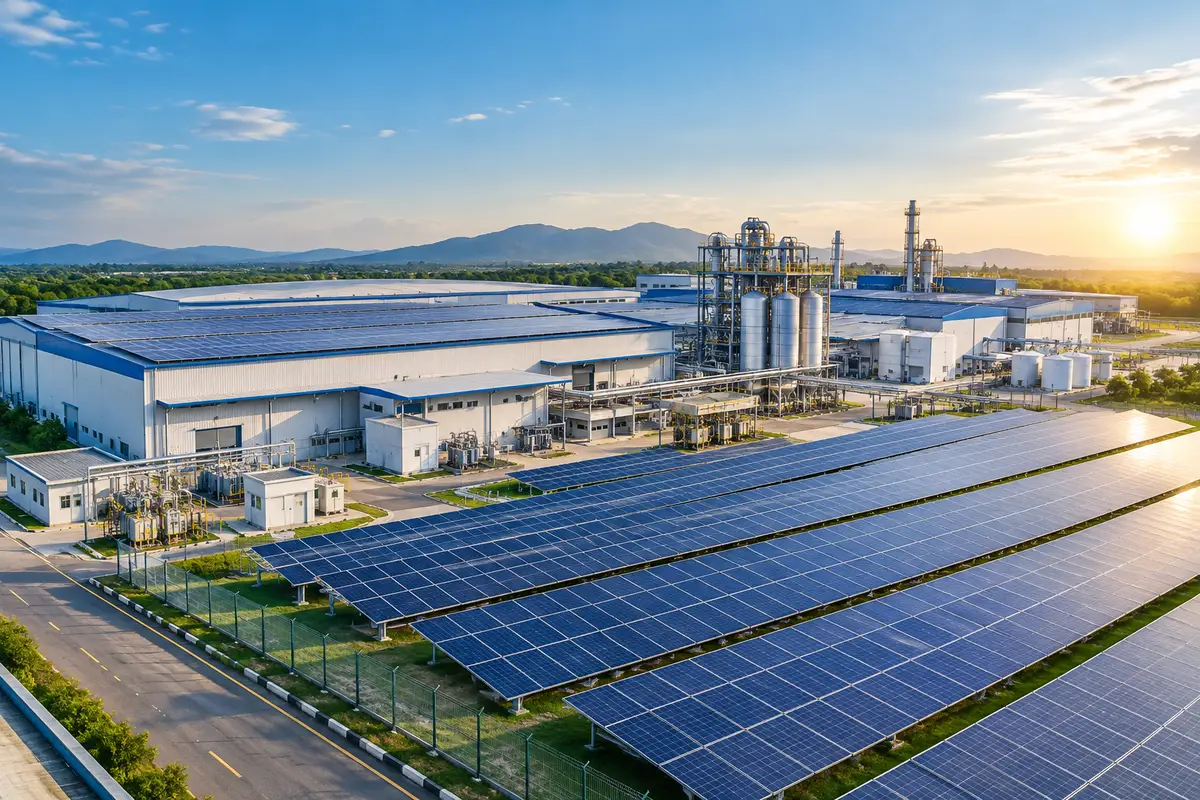
A Solar Power Plant (PLTS) is an electricity generation system that converts sunlight into electrical energy using photovoltaic technology, commonly known as solar PV.
Unlike conventional power plants that rely on fuels such as coal, oil, or natural gas, solar power systems use sunlight as their primary energy source.
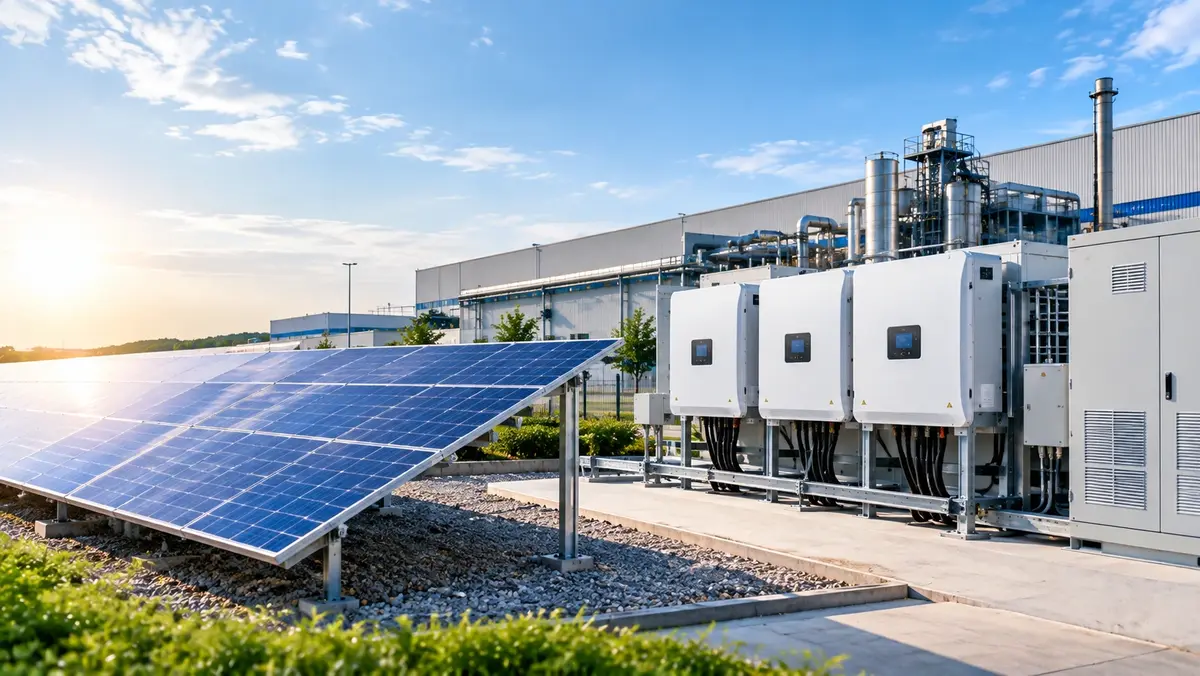
A typical solar power system consists of several key components:
Solar panels or photovoltaic modules
Solar inverters
Mounting structures
DC protection systems
AC protection systems
Electrical cables and connectors
Monitoring systems
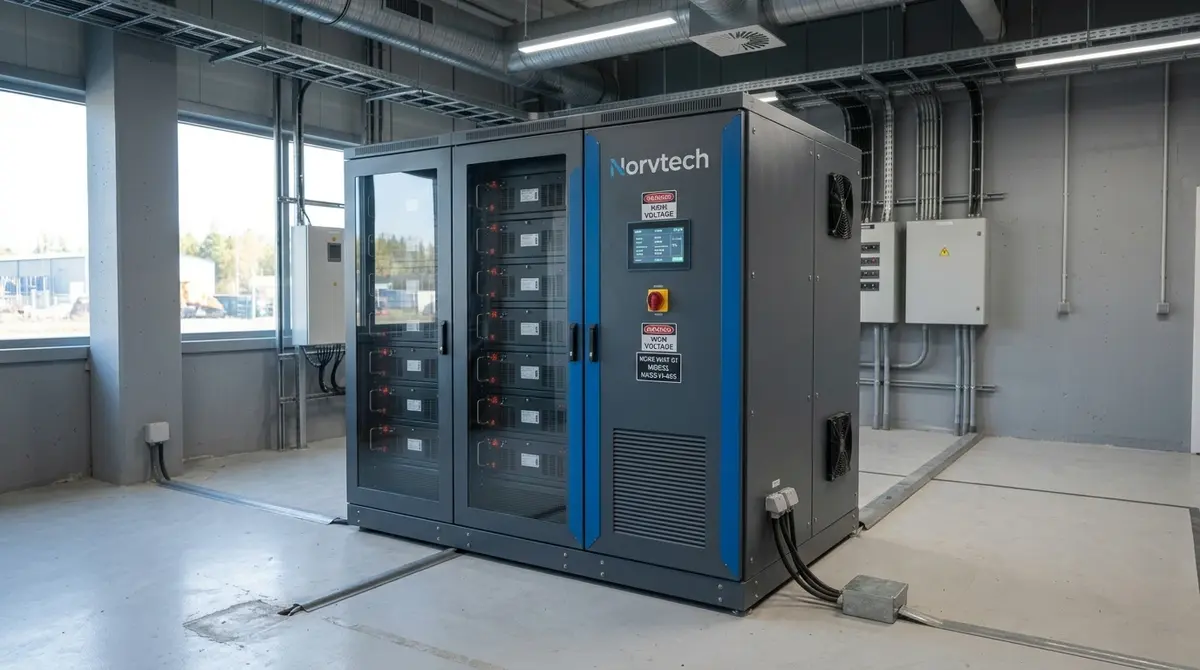
Battery Energy Storage Systems (BESS), when required
Electrical distribution and grid integration systems
Each component plays an important role in ensuring that the system operates safely, efficiently, and reliably.
PLTS can be designed for a wide range of applications, from residential installations to large-scale industrial and utility projects.
How Does a Solar Power System Work?
The basic principle behind a solar power system is relatively simple.
1. Sunlight Provides Energy
The sun continuously provides solar radiation that can be captured by photovoltaic modules.
2. Solar Panels Generate DC Electricity
Photovoltaic cells inside the solar panels absorb sunlight and convert it into DC electricity.
3. The Inverter Converts DC into AC
The electricity generated by the solar panels is sent to a solar inverter.
The inverter converts DC electricity into AC electricity suitable for electrical equipment and, depending on the system design, the electrical grid.
4. Electricity Powers the Load
The electricity generated by the system can be used to operate a wide range of equipment, including:
Manufacturing machinery
Pumps
Motors
Compressors
Air-conditioning systems
Lighting systems
IT equipment
Industrial equipment
Office facilities
5. Excess Energy Can Be Stored
When a solar system is combined with a Battery Energy Storage System (BESS), excess electricity can be stored for later use.
This allows energy generated during periods of high solar production to be used when solar generation is lower.
6. The System Can Be Integrated with the Grid
Depending on the configuration and applicable regulations, a solar power system can also operate in conjunction with the electrical grid.
This creates a more flexible energy architecture combining solar generation, energy storage, and grid electricity.
Need help with your project?
Talk to the NORVTECH engineering team — free consultation.